QUICK ANSWER
A small hardware shop in a growing trading centre can start with a few million shillings, focused on fast-moving items like cement, nails, iron sheets, paint and plumbing fittings. Margins on cement are thin, so the profit comes from volume and smaller items. What kills most hardware shops is not competition; it is credit to builders that never comes back and stock that walks out unrecorded.
Hardware is one of the most dependable small businesses in Uganda because building never stops. The Uganda Bureau of Statistics counts 75 percent of Ugandan households living under iron sheet roofs, and every new house, school or shop needs cement, bars, nails and paint.
It is also one of the easiest businesses to lose money in, because so much capital sits on the floor in heavy, high-value stock.
How much capital you need
There is no fixed figure, but think in three parts:
- Premises: rent, shelving, a lockable store and space for deliveries.
- Opening stock: the largest share. Start narrow and deep in fast-moving items, not wide in everything.
- Working capital: at least a month of rent and wages, plus cash to restock cement weekly.
Many successful owners started small and grew outlet by outlet. One Kitende owner profiled by the Daily Monitor began with a single family hardware shop in 2016 and had three outlets within three years.
What to stock first
Start with the items that move every day:
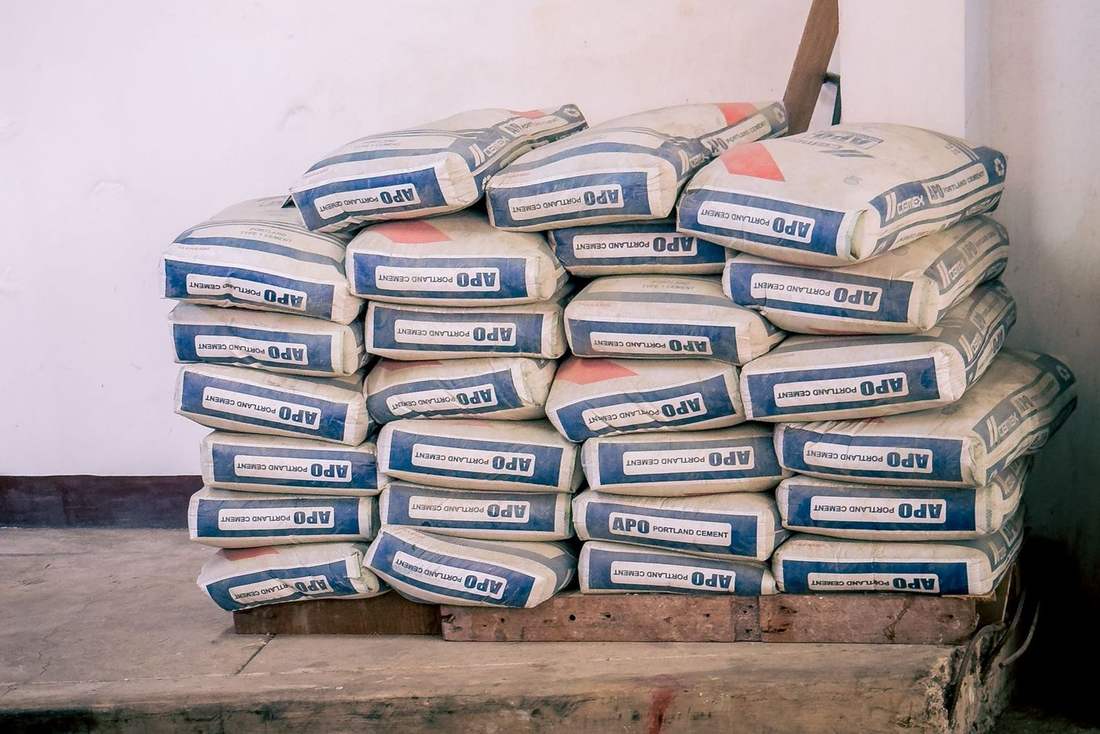
- Cement. Low margin but brings customers in. Prices vary by brand and town; in 2026 many towns report Shs28,000 to Shs36,000 a bag.
- Nails and binding wire. Roofing nails are around Shs8,000 a kilo in many places.
- Iron sheets in the gauges your area buys most.
- Iron bars in the common sizes for slabs and ring beams.
- Paint and undercoat.
- Plumbing and electrical fittings: taps, pipes, sockets, switches. Small, high-margin and easy to steal.
Add timber, tiles and specialist items as your customers ask for them.
Where the profit comes from
Cement and iron sheets bring the traffic, but their margins are slim because every customer compares prices. The margin is in the smaller items: hinges, locks, fittings, brushes, tools. A common rule of thumb among hardware traders is a net profit of around 10 percent of daily sales for a well-run shop, so volume and control matter more than any single price.
Example (put in your own figures): a shop sells Shs2,500,000 a day across 26 trading days.
- Monthly sales: about Shs65 million
- If net profit is 10%: about Shs6.5 million
- If 3% of stock goes missing or is sold below cost: you lose nearly Shs2 million of that every month.
That last line is why the best hardware owners obsess about counting.
Credit: the silent killer
Builders and contractors expect credit. Give it, and you win their business; give it carelessly, and your capital sits in other people's houses. The rules that work:
- A credit limit per customer, written down.
- An invoice for every credit sale, with a due date.
- A weekly list of who owes what and for how long.
- No new credit to a customer with an overdue balance.
Builders also sometimes keep money on deposit with a hardware shop as a way of saving for materials, a practice described in the Daily Monitor. If you accept deposits, record each one carefully. It is the customer's money until you deliver.
Selling by the piece, bag or metre
Hardware is tricky because the same item sells in different units: cement by the bag, nails by the kilo, wire by the metre, pipes by the length. If your records only count whole units, you will never reconcile. Record stock in the smallest unit you sell, and convert when you buy in bulk.
Stock control that actually works
- Count fast-moving, high-value items weekly: cement, iron sheets, bars, fittings.
- Count everything monthly.
- Record every delivery against the supplier's delivery note.
- Never sell below cost: set a minimum price per item and check it.
- Compare what you bought minus what you sold against what is on the floor.
Our guide on stopping stock theft in a shop goes deeper into the habits that work.
Try it with one item
Stock loss calculator
Licences, tax and e-receipts for a hardware shop
Hardware shops grow into bigger turnover faster than most retail, which brings tax rules into play sooner.
- Register and license first: business name with URSB, a TIN, and a trading licence from KCCA or your municipality, renewed every twelve months.
- Presumptive tax while you are small. With sales between Shs10 million and Shs150 million a year, you pay URA's small business tax on turnover, at a lower rate if you keep records.
- The VAT threshold comes quickly. From July 2026 you must register for VAT once sales pass Shs300 million a year. A hardware shop selling Shs1 million a day crosses it in about ten months, because cement, iron bars and roofing are high-value lines with thin margins.
- Once VAT-registered, you must issue e-invoices. All VAT-registered businesses have had to use URA's EFRIS system since 2021. Your best customers will ask for them: contractors are themselves required to use EFRIS, and companies generally cannot claim an expense without an e-invoice.
Pricing for builders and contractors
Contractors are your biggest customers and your biggest credit risk. A few rules protect your cash:
- A price list per customer type: walk-in, regular builder, contractor on account. Write it down so staff don't negotiate your margin away.
- Quotes that expire. Cement and steel prices move; a quote valid for 7 days protects you.
- Delivery notes signed on site, matched to the invoice, so there is no dispute about what was delivered.
- A credit limit per contractor, and no new deliveries when the balance is past due. Unpaid credit costs a shop more than theft ever does.
Frequently asked questions
How much capital do I need to start a hardware shop in Uganda?+
It depends on location and range, but most small hardware shops start with a few million shillings, mostly in stock. Start with fast-moving items and add more as customers ask.
What sells fastest in a hardware shop?+
Cement, nails, iron sheets, iron bars, paint and small plumbing and electrical fittings.
Is a hardware business profitable in Uganda?+
It can be, if you keep volume high, control credit and stop stock loss. A common rule of thumb is about 10 percent net profit on daily sales for a well-run shop.
How do I manage credit for builders?+
Set a written limit per customer, issue an invoice with a due date for every credit sale, review who owes what weekly, and stop new credit when a balance is overdue.
When does a hardware shop need to register for VAT in Uganda?+
From 1 July 2026, when its sales pass Shs300 million a year. Once VAT-registered, it must issue e-invoices through URA's EFRIS system.