QUICK ANSWER
Poultry farming in Uganda pays when you know your numbers. Eggs are at about Shs12,000 a tray at the farm gate, feed is more than 70% of your cost, and a layer eats about 120g a day. Ten minutes of records a day tell you whether each flock is making money or quietly losing it.
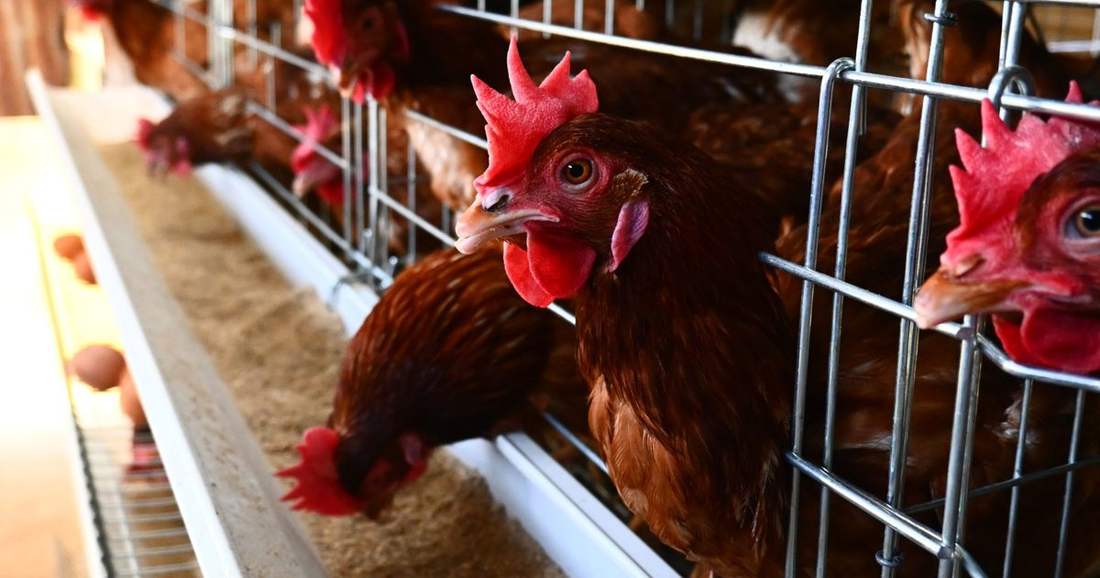
Poultry is one of the most popular farm businesses in Uganda and one of the easiest to lose money in. Uganda has an estimated 47.6 million chickens, most of them local free-range birds, and thousands of families have tried a few hundred layers or a batch of broilers as a side business.
The farmers who stay in are rarely the ones with the best birds. They are the ones who know, every week, what each flock costs and what it brings in.
Poultry in Uganda at a glance
- About 47.6 million chickens, 87.7% of them free-range local birds
- Commercial exotic birds grew from 1.54 million in 2008 to 5.85 million in 2017, according to MAAIF and UBOS figures cited in the same report
- Indigenous chickens are kept by over 90% of poultry farmers
- A 2025 survey of 320 farmers in ten districts found broilers (38.5%), Kuroilers (30.8%) and layers (23.1%) were the main types kept commercially
What a tray of eggs sells for now
2026 has been an unusual year. The Poultry Association of Uganda told the Daily Monitor that the farm-gate price has settled at Shs12,000 a tray. Its chairperson, Aga Sekalala Jnr, gave several reasons:
- A shortage of replacement layers, the young birds that replace old ones, carried over from last year. Even farmers who want to restock cannot find enough day-old layer chicks.
- Feed costs, which he put at over 70% of total production costs.
- Poorer feed cutting laying rates, in some cases from one egg per bird a day to one every two days.
- Fuel prices pushing up the cost of moving feed and eggs.
Good prices are welcome. But they only help you if your costs have not risen faster, and you can only know that if you write things down.
Feed: the number that decides your profit
Ugachick, one of the country's main breeders, says a layer eats about 120 to 125g of feed a day once she starts laying. That sounds small until you multiply it.
Example (put in your own figures): a farmer keeps 500 layers at peak.
- Feed: 500 birds × 0.125kg = 62.5kg a day, nearly a 70kg bag every day.
- If feed costs her Shs1,900 a kilo, that is about Shs119,000 a day on feed alone.
- At 85% lay, 500 birds give about 425 eggs, a little over 14 trays a day.
- At Shs12,000 a tray, that is about Shs170,000 a day.
On those numbers she has roughly Shs51,000 a day left for drugs, labour, transport, the cost of the birds themselves and her own profit. Now imagine laying drops to 60% because of poor feed or disease. She still feeds 500 birds, but collects only 10 trays. Her margin is almost gone, and without records she will not notice until the month's money does not add up.
This is why mixing feed matters so much. A Monitor farming guide describes farmers cutting feed costs sharply by mixing concentrates with maize and maize bran instead of buying fully prepared feed. Whether you mix or buy, record every bag that comes in, what you paid, and every bag that is used.
Try it with your flock
Egg margin calculator
The daily records every flock needs
Keep one record per flock, house or batch. It takes ten minutes a day once it becomes a habit:
- Birds: number alive, deaths, and the cause if you know it
- Feed: kilos or bags used today
- Eggs: collected, broken, and trays sold (to whom, at what price)
- Health: vaccines, drugs and dewormers given
- Money out: feed, drugs, wages, transport, power and water
From these few lines you can work out the numbers that really matter:
- Laying rate = eggs collected ÷ birds alive. Watch it weekly.
- Feed per tray = kilos of feed used ÷ trays collected.
- Cost per tray = all money out ÷ trays sold.
A sudden drop in eggs collected is your earliest warning. It can mean disease, bad feed, heat stress, or eggs walking out of the house. A Makerere study of layer farms in Wakiso found that almost 90% of farmers had seen a drop in egg production. The ones who catch it in days, not weeks, lose far less.
Broilers: think in batches
For broilers, the unit is the batch, from day-old chick to sale:
- Chicks bought: number and price
- Feed used across the batch
- Drugs, vaccines, litter, heating and labour
- Birds sold, their weight, and the price
- Birds lost
At the end, divide the total cost by the birds sold. That is your cost per bird. Compare it with your selling price and with your last batch. The best batch tells you which chick supplier, feed and buyer to repeat.
Know who owes you for eggs
Many farms supply shops, hotels, bakeries and schools on credit. That is good business until nobody can say exactly who owes what. Record every tray that leaves on credit with the buyer's name and the date payment is due, then remind them before it is late.
Example: five buyers each take 20 trays a week on credit and pay two weeks late. That is 200 trays, about Shs2.4 million, sitting in other people's pockets, while you still have to pay cash for feed.
The biggest risks to watch
Disease. Newcastle disease is a major poultry disease in Uganda, especially in rural flocks. Follow a vaccination schedule from your hatchery or vet, and record every vaccine given with the date and batch. The MAAIF poultry training manual is a good free reference.
Feed quality. The same 2025 survey found that knowledge of feed quality standards is lacking among many farmers and feed millers. Poor feed shows up first as a drop in laying rate, which is why daily egg records matter.
Heat and housing. A Makerere study in Wakiso found that over half the farms had poor ventilation and 77.5% relied only on natural light. Both affect laying.
Plan for replacement layers early
The 2026 shortage showed what happens when farmers cannot replace ageing flocks. A layer's best production lasts about a year, and the Monitor notes that birds give fewer eggs as they approach moulting. Your records show when each flock's laying rate is starting to fall, so you can book chicks months ahead instead of scrambling for them.
Also keeping cows? Read dairy farming in Uganda: how to know your profit per cow.
Frequently asked questions
Is poultry farming profitable in Uganda?+
It can be, especially with eggs at about Shs12,000 a tray at the farm gate in 2026. But feed is over 70% of the cost, so profit depends on keeping laying rates high, controlling feed waste and collecting what buyers owe. Daily records are how you find out whether your flock is actually profitable.
How much feed does a layer eat per day?+
About 120 to 125g a day once she is laying, according to Ugachick. For 500 layers that is roughly 62.5kg a day, nearly a 70kg bag.
What is the price of a tray of eggs in Uganda?+
The Poultry Association of Uganda put the farm-gate price at about Shs12,000 a tray in 2026, up from Shs9,000 to Shs10,000 earlier. Retail prices are higher and vary by area.
How much does it cost to start poultry farming in Uganda?+
It depends on the number of birds, housing and whether you buy or mix feed. The largest running cost is feed, often 60 to 70% or more. One Business Focus breakdown for a layer unit put feed at Shs18.36 million mixed on the farm against Shs27.54 million bought ready-made, which shows how much the feed decision changes the total.
What records should a poultry farmer keep?+
Birds alive and deaths, feed used, eggs collected and sold, vaccines and drugs given, money spent, and who owes you for eggs taken on credit. From these you can work out laying rate, feed per tray and cost per tray.